

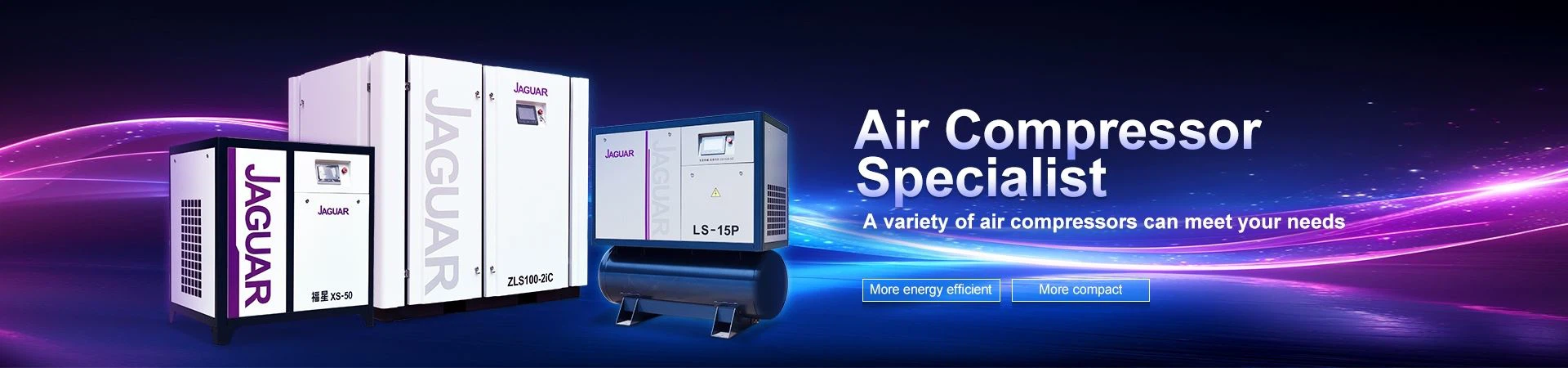
Direct drive and belt drive screw compressors can both work well in industrial plants, but they are built around different buying priorities. Direct drive is usually selected for lower transmission loss, fewer belt-related maintenance tasks, and better long-term stability. Belt drive is often considered when the buyer wants a lower initial price, easier belt-side service, and a practical option for small and medium factories.
The better choice is not decided by one simple advantage list. It depends on running hours, maintenance skill, spare parts access, pressure setting, downtime risk, and whether the factory has a stable load or a changing air demand profile.
|
Direct Drive Fits Factories that want fewer belt maintenance tasks, stable transmission, lower long-term energy loss, and less risk from belt slip or tension problems. |
Belt Drive Fits Small and medium plants, replacement buyers, and dealers that need a lower entry cost and simple belt-side service with available spare parts. |
VSD Fits Factories with changing air demand, long unload time, day and night load differences, or production lines that need tighter pressure control. |
Start With the Replacement Problem
Many buyers compare direct drive and belt drive only after an old compressor becomes unreliable. The existing machine may have slipping belts, unstable pressure, frequent belt replacement, high temperature, oil leakage, bearing noise, or long downtime while waiting for spare parts.
Before choosing a new compressor, check what actually caused the replacement decision. A belt drive machine with poor belt tension is a different problem from a compressor that is undersized for the factory air demand. A direct drive machine with bearing noise is a different problem from a system with blocked filters or poor ventilation.
For plants that want a simpler transmission structure and fewer belt-side maintenance tasks, the Direct Drive Screw Air Compressors range should be reviewed first. For buyers who need an economical option for small and medium production sites, Belt Drive Screw Air Compressors EAS can still be a practical choice.
Practical rule: Do not choose direct drive only because it sounds premium, and do not choose belt drive only because the purchase price is lower. Check transmission loss, maintenance ability, spare parts access, and downtime cost together.
How the Two Drive Structures Work
A direct drive screw compressor connects the motor and air end through a direct coupling or direct transmission structure. There is no belt running between pulleys. The design reduces belt slip, belt tension checks, belt dust, and pulley alignment work.
A belt drive screw compressor uses a belt and pulley system to transfer motor power to the air end. The structure is familiar to many maintenance teams, and replacement belts are easier to stock for dealers and service teams. The tradeoff is that belt tension, belt wear, pulley alignment, and belt replacement become part of the maintenance routine.
| Item | Direct Drive | Belt Drive |
| Power transfer | Motor power is transferred through a direct coupling or direct transmission structure. | Motor power is transferred through belts and pulleys. |
| Wear points | No belt wear, no belt slip, and no belt tension adjustment. | Belts and pulleys need inspection, tension control, and replacement. |
| Maintenance style | Less frequent transmission-side service, but alignment and coupling condition still matter. | More routine checks, but many service teams are familiar with belt replacement. |
| Cost profile | Higher initial price in many cases, lower belt-related operating risk. | Lower entry cost in many cases, but belts become regular spare parts. |
Transmission Efficiency and Belt Loss
Transmission loss is one of the main reasons buyers compare direct drive and belt drive compressors. In a direct drive machine, less energy is lost between the motor and air end because there is no belt path. That helps the compressor deliver more of the motor output into useful compression work.
In a belt drive machine, some energy is lost through belt flexing, heat, friction, and slip. A properly maintained belt drive compressor can still run well, but poor belt tension or worn pulleys can reduce transmission efficiency and cause unstable performance.
| Transmission Issue | What It Means for Buyers |
| Belt slip | The air end may not receive full motor output, especially when belts are loose or worn. |
| Belt heat | Heat can shorten belt life and increase maintenance frequency in hot compressor rooms. |
| Pulley wear | Worn pulley grooves can damage new belts and create repeated service problems. |
| Coupling condition | Direct drive still needs proper alignment and coupling condition checks during service. |
Belt Tension and Replacement Are Not Small Details
Belt maintenance is not only about replacing a broken belt. The belt must be installed with the correct tension. Too loose, and it can slip, heat up, and reduce output. Too tight, and it can add extra load to the motor bearing and air end side, shorten belt life, and create vibration.
For a factory with trained maintenance staff, this may be manageable. For a plant where compressor service is handled only after a breakdown, belt drive can create avoidable downtime. For dealers, belt drive can be easier to support when belts, filters, oil, and basic service parts are kept in local stock.
| Belt Condition | Likely Result | Buyer Action |
| Loose belt | Slip, heat, low output, belt dust, unstable transmission. | Check belt tension and pulley condition during scheduled service. |
| Over-tight belt | Extra bearing load, vibration, belt fatigue, possible motor-side stress. | Use the correct tension method, not manual guessing. |
| Worn belt | Reduced reliability and higher risk of sudden stoppage. | Replace belts before failure and check pulley alignment at the same time. |
| Mismatched belt set | Uneven load sharing and shorter belt life. | Use the correct belt specification and replace grouped belts together when required. |
Bearing Load and Alignment Risk
Bearing load is often ignored in simple direct drive versus belt drive comparisons. In a belt drive compressor, incorrect belt tension can create extra radial load on shafts and bearings. Over time, this may lead to heat, vibration, bearing noise, and unplanned service.
Direct drive reduces belt-side radial loading because there is no belt pulling across the pulley. That does not mean direct drive can be ignored. Coupling alignment, motor condition, air end condition, vibration level, oil quality, and cooling still need proper maintenance.
Service note: Direct drive reduces belt-related risks. Belt drive gives simple and familiar service access. Both designs still need correct oil, filters, cooling, electrical checks, and maintenance records.
Pressure Adjustment and Speed Change
Belt drive compressors are sometimes selected because pulley changes can adjust the transmission ratio. This can be useful in certain service or replacement situations, but it should not be treated as a casual pressure adjustment method. Changing pulleys changes compressor speed and can affect air delivery, motor load, heat, and service life.
Direct drive systems do not use pulley ratio changes. Pressure setting is handled through the compressor control system and inlet control logic. This is cleaner from a transmission standpoint, but the buyer still needs to select the right pressure and air delivery before ordering.
When the factory has changing air demand rather than only a fixed pressure issue, a PM VSD screw compressor should be included in the comparison. VSD is usually a better match for variable load, long unload time, day and night demand changes, and production lines that need tighter pressure stability.
| Requirement | Better Direction |
| Stable factory load and lower purchase budget | Belt drive can be considered when local service and spare belts are easy to manage. |
| Stable load with higher reliability requirement | Direct drive is usually stronger for lower belt-side maintenance and transmission stability. |
| Changing load during the day | PM VSD should be compared because speed control can match changing demand better than fixed output operation. |
| Old fixed output compressor spends long time unloading | Check PM VSD before replacing it with another fixed output machine. |
Initial Cost Versus Total Ownership Cost
Belt drive compressors often attract buyers with a lower initial price. For small factories, repair shops, and dealers stocking economical machines, this can be an important advantage. The buyer should still calculate belts, pulley maintenance, service time, downtime, and energy loss over the working life of the machine.
Direct drive compressors may cost more at the beginning, but the design removes belt replacement and belt tension work from the regular service list. For plants with long operating hours or high downtime cost, that difference can be more important than the first purchase price.
| Cost Item | Direct Drive | Belt Drive |
| Initial price | Often higher, depending on model and configuration. | Often lower, especially for economical small and medium factory models. |
| Transmission maintenance | No belt replacement or belt tension adjustment. | Belts and pulleys need inspection and scheduled replacement. |
| Energy loss | Lower transmission loss from motor to air end. | Some loss can occur through belt flexing, friction, and slip. |
| Downtime risk | Less belt-related stoppage risk. | Depends heavily on belt condition, maintenance discipline, and spare parts availability. |
Which One Fits Small and Medium Factories?
Small and medium factories often compare the two designs because the purchase budget is clear and maintenance resources are limited. Belt drive can be attractive when the plant has trained service staff, easy belt supply, moderate running hours, and a strong need to control upfront cost.
Direct drive is stronger when the factory wants fewer transmission-side service points, longer continuous operation, and less chance of sudden belt-related downtime. This matters in factories where one compressor supports several production machines and downtime quickly affects delivery.
For direct drive replacement projects in the 30HP to 50HP range, buyers can also review model pages such as Screw Air Compressor ZLS 30HP and Screw Air Compressor ZLS 50HP to compare power range, air delivery, voltage, pressure, and installation requirements.
Dealer Stocking: What Should Distributors Consider?
Dealers should not stock only by the lowest price. The local customer base matters. A dealer selling to small workshops may need belt drive machines, basic filters, oil, and belts in stock. A dealer serving factories with long running hours may need more direct drive models because buyers care more about uptime and long-term stability.
| Dealer Customer Type | Recommended Stocking Logic |
| Small workshops and repair shops | Stock economical belt drive models and common service parts. |
| Small and medium factories | Offer both belt drive and direct drive options, then compare maintenance ability and running hours. |
| Factories with high downtime cost | Lead with direct drive and complete air system support. |
| Plants with changing demand | Compare PM VSD models instead of treating drive structure as the only decision. |
Common Wrong Choices
| Wrong Choice | Better Buying Logic |
| Buying belt drive only because the initial price is lower. | Add belt maintenance, downtime cost, service skill, and spare parts stock into the comparison. |
| Buying direct drive only because it sounds more advanced. | Check whether the factory running hours and downtime cost justify the higher investment. |
| Ignoring changing air demand. | When the load changes a lot, compare PM VSD before choosing another fixed output compressor. |
| Changing pulleys without checking motor load and air end speed. | Let the supplier confirm the safe operating range before modifying pulley ratio. |
| Replacing the old machine with the same type without checking the real failure. | Check belt slip, air demand, leakage, pressure setting, filters, cooling, and electrical supply first. |
What to Send Before Asking for a Quote
A useful inquiry should allow the supplier to compare direct drive, belt drive, and PM VSD options around the real working condition, not only around price.
| Information Needed | Why It Matters |
| Current compressor type and model | Shows whether the buyer is replacing a belt drive, direct drive, piston, or old screw compressor. |
| Power, pressure, and air delivery | Prevents model selection from being based only on HP. |
| Main reason for replacement | Belt failure, high energy cost, low pressure, old age, high temperature, or lack of spare parts lead to different recommendations. |
| Running hours per day | Long running hours usually make transmission efficiency and uptime more important. |
| Load pattern | Stable full load may fit fixed output machines. Changing load may justify PM VSD. |
| Local maintenance ability | Belt drive needs routine belt checks. Direct drive needs less belt-side work but still needs trained service. |
| Spare parts plan | Dealers and factories should confirm belts, filters, oil, separators, and common maintenance parts before ordering. |
Final Buying Advice
Choose direct drive when the factory values lower transmission loss, fewer belt maintenance tasks, better long-term stability, and lower risk from belt slip or belt tension problems. It is a strong fit for plants with longer running hours, higher downtime cost, and limited tolerance for sudden service stops.
Choose belt drive when the buyer needs a lower entry cost, the maintenance team can manage belt tension and replacement, spare belts are easy to stock, and the application is a small or medium factory with moderate operating demand.
When the factory has changing air demand, long unload time, lower night shift load, or frequent production changes, compare PM VSD as well. In that case, the main question is no longer only direct drive versus belt drive. The real question is whether the compressor output should follow the factory load curve.
Request Drive Type Selection Support
Send your current compressor model, pressure, air delivery, running hours, replacement reason, maintenance ability, and load pattern. JAGUAR can help compare direct drive, belt drive, and PM VSD screw compressor options for your factory or dealer stock plan.
Request Selection Support


