

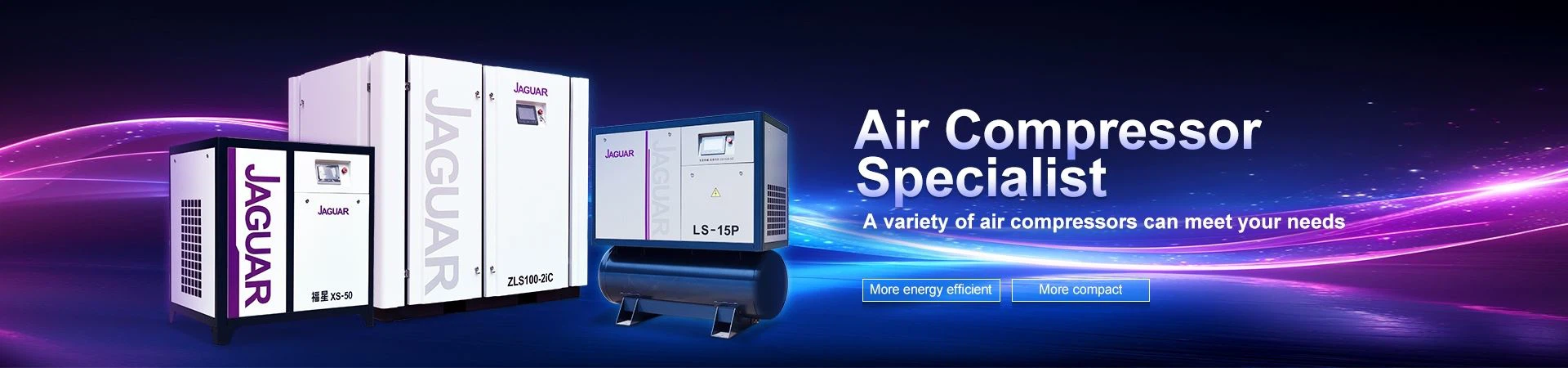
Many buyers start with horsepower because it is easy to search: 10HP screw compressor, 20HP screw compressor, or 50HP screw compressor. That is a normal starting point, but HP alone does not tell you whether the compressor can support the factory's real air demand.
A better selection starts with the machines using compressed air, the number of machines running at the same time, the required pressure, working hours, voltage, and whether the system needs an air tank, dryer, and filters. HP helps narrow the range. Factory load decides the final model.
|
10HP Range Small workshops, light pneumatic tools, single-machine support, and smaller production areas with limited air points. |
20HP Range Light production lines, several CNC machines, packaging equipment, pneumatic stations, and growing small factories. |
50HP Range Medium manufacturing plants, multi-point air systems, longer running hours, and production lines with higher peak demand. |
HP Is Only the Starting Point
Horsepower is the motor power range. It does not directly show how much usable compressed air the factory receives at the required pressure. A 10HP screw compressor may be enough for a small shop with a few air tools, but it can be too small for several machines running together. A 50HP screw compressor may look strong, but it can waste energy if the factory only needs a small amount of air most of the day.
In compressor selection, HP must be checked together with kW, air delivery, pressure, voltage, working hours, and actual air demand. For buyers comparing standard industrial machines, the Direct Drive Screw Air Compressors range is a practical place to start because it covers common factory replacement and production support applications.
Field rule: Do not ask only for "10HP price" or "50HP price." Send the equipment list, required pressure, voltage, and working hours so the supplier can confirm whether the HP range is right.
HP and kW: How Buyers Should Read Power
Some markets search by HP, while many compressor catalogs show motor power in kW. The basic conversion is simple: 1HP is about 0.75kW. In real quotations, buyers should check the catalog power rating instead of guessing from a search term.
| Common Search Term | Approximate Motor Power | Buying Note |
| 10HP screw compressor | About 7.5kW | Check real air delivery before using it for multiple machines. |
| 20HP screw compressor | About 15kW | Often considered by small factories moving from piston compressors to screw compressors. |
| 50HP screw compressor | About 37kW | Needs proper review of air demand, pressure, tank, dryer, and voltage supply. |
Power is not the same as capacity. The same HP level can have different air delivery at different pressure settings. A machine rated at 8 bar will not always deliver the same air volume at 10 bar. This is why the quotation must show both flow and pressure.
Air Delivery Matters More Than HP
Air delivery is usually shown as m3/min or CFM. This number tells the buyer how much air the compressor can supply at a stated pressure. For factory selection, air delivery should be compared with the equipment list, not with a rough HP number.
| HP Range | Typical Factory Use | What to Confirm |
| 10HP | Small workshop, single machine support, small pneumatic tools, light packaging or repair work. | Actual air demand, pressure, tank size, and whether more machines will be added soon. |
| 20HP | Light production line, several CNC machines, air cylinders, small packing line, and general plant air. | Simultaneous machine use, peak demand, pressure drop, and daily running hours. |
| 50HP | Medium manufacturing, multiple workstations, longer pipelines, and higher production demand. | Full air demand calculation, voltage, tank, dryer, filters, room ventilation, and expansion plan. |
A model such as Screw Air Compressor ZLS 10HP may support small factory air use when the equipment demand matches its flow range. A larger model such as Screw Air Compressor ZLS 50HP should be reviewed for medium manufacturing loads where multiple machines use air together.
Pressure Changes the Selection
A buyer may ask for a 20HP compressor, but the right answer changes if the factory needs 7 bar, 8 bar, or 10 bar. Higher pressure usually reduces delivered air volume and increases energy demand. That is why pressure must be confirmed at the production point, not only at the compressor outlet.
| Pressure Question | Why It Matters |
| Does the machine need 7 bar or 8 bar? | A standard factory compressor may be enough when pipeline loss is controlled. |
| Does the farthest point need stable pressure? | Long pipes, elbows, filters, and dryers can reduce pressure before air reaches the machine. |
| Is the supplier quoting a higher pressure model? | Ask whether the higher pressure is based on real pressure loss or only a safety guess. |
Do not choose a bigger HP range just to cover pressure problems. Low pressure at the farthest machine may come from undersized piping, blocked filters, leaks, a small receiver tank, or an overloaded dryer. Fixing the system may be better than buying a larger compressor.
Count Equipment by Simultaneous Use
Equipment quantity matters, but installed quantity is not the same as simultaneous use. A small factory may have 8 air-using machines, but only 4 may run at the same time. A packaging line may have several cylinders, but air demand depends on cycle frequency and whether the cylinders move together.
| Equipment Data | How to Use It |
| Total equipment quantity | Shows the full factory air system size, but not the final compressor capacity by itself. |
| Machines running together | This is closer to real compressor demand during production. |
| Peak use period | Shows whether the compressor must cover continuous peak load or only short air bursts. |
| Future equipment plan | Helps decide whether to add a practical expansion margin. |
Example: A 20HP range may look enough for a light production line, but it can be too small if several CNC machines, cleaning guns, and pneumatic cylinders run together during peak time. The supplier needs the equipment list to confirm the HP range.
How to Read 10HP, 20HP, and 50HP by Factory Type
The following selection path helps small factories and dealer sales teams explain the difference between common HP searches. It should be used as a starting point, not as a final model guarantee.
| Factory Load | Common HP Search | Selection Advice |
| Small workshop with limited tools | 10HP | Check the largest air user, tank size, pressure, and whether the compressor runs too often during peak use. |
| Small factory upgrading from piston compressor | 10HP or 20HP | Compare duty cycle, air demand, noise, running hours, and whether screw compressor output is more stable. |
| Light production line | 20HP | Confirm simultaneous use rate and peak demand before choosing by HP alone. |
| Growing plant with several air points | 20HP or 50HP | Use a full equipment list and leave margin for machines planned in the next 12 to 24 months. |
| Medium manufacturing plant | 50HP | Check dryer, filters, receiver tank, ventilation, electrical supply, and pipeline pressure drop together. |
Voltage Must Be Confirmed Before Quotation
Voltage is not a small detail. A compressor selected for the wrong power supply can delay delivery, create startup issues, or require extra electrical work on site. Buyers should provide voltage, phase, and frequency before asking for a final quotation.
| Electrical Item | What to Send |
| Voltage | 220V, 380V, 415V, 440V, or local project voltage. |
| Phase | Single phase or three phase. Most industrial screw compressors are quoted as three phase. |
| Frequency | 50Hz or 60Hz. |
| Electrical capacity | Breaker, cable, transformer, or generator capacity when the site has limited power. |
This is especially important for 50HP systems because electrical supply, starting method, ventilation, and installation space all become more critical as motor power increases.
Match the Air Tank and Dryer
A screw compressor should not be selected alone. The air tank helps stabilize pressure and handle short peak demand. The air dryer removes moisture so water does not enter pneumatic tools, valves, cylinders, or production equipment. Filters protect downstream equipment from oil, water, and particles.
Small workshops sometimes focus only on the compressor price and forget the tank and dryer. That creates problems later: pressure fluctuation, water in the line, valve sticking, unstable tools, and poor air quality. A 10HP or 20HP compressor used for light factory work still needs a complete air system when production quality depends on clean and stable air.
| System Part | Why It Matters |
| Air tank | Stores compressed air, reduces pressure swings, and helps cover short peak demand. |
| Air dryer | Reduces moisture before air reaches tools, cylinders, valves, and production equipment. |
| Line filters | Remove oil, water, and particles based on the required air quality level. |
| Drainage | Prevents condensate from staying in the receiver, dryer, filters, and pipelines. |
For shops that need a quieter operating environment, a Silent Screw Compressor can be reviewed when noise level and indoor installation matter. For buyers comparing standard direct-coupled structure, the Direct Drive Screw Compressor page can support model comparison around coupling drive, efficiency, and general factory use.
When VSD Should Be Compared
If the factory load changes a lot during the day, HP selection alone is not enough. A 20HP or 50HP fixed-output compressor may spend long periods unloading when demand drops. In that case, a PM VSD screw compressor should be compared because it can adjust output to match changing air demand within its control range.
VSD is not needed for every factory. A stable full-load plant can still compare fixed-speed or direct-drive options. But for shops with day shift and night shift differences, several machines starting and stopping, or long unload time on an old compressor, VSD may reduce wasted running time.
Common Wrong Choices
| Wrong Choice | Better Buying Logic |
| Choosing 10HP, 20HP, or 50HP only by old compressor size. | Check whether the old compressor was undersized, oversized, leaking, or running at the wrong pressure. |
| Using total installed machines as the final demand. | Use the number of machines running together during peak production. |
| Ignoring pressure when comparing HP. | Always compare air delivery at the required working pressure. |
| Forgetting voltage before quotation. | Send voltage, phase, and frequency before the supplier confirms the model. |
| Buying only the compressor without tank and dryer. | Match the compressor with air tank, dryer, filters, and drainage for stable factory air. |
| Choosing a larger HP to cover leaks or pipe loss. | Repair leaks, check pipe size, and confirm pressure drop before increasing compressor size. |
What to Send for HP Selection
A good supplier can recommend a better model when the inquiry includes factory load details. This also helps dealers answer customer questions without guessing from HP alone.
| Information Needed | Why It Matters |
| Equipment list | Shows what machines, tools, cylinders, valves, or packaging equipment use compressed air. |
| Air demand per machine | Helps convert equipment demand into m3/min or CFM. |
| Machines running together | Confirms simultaneous use instead of total installed quantity. |
| Required pressure | Affects air delivery, energy use, and final compressor selection. |
| Working hours | Shows whether the factory needs light-duty support or long-hour industrial operation. |
| Voltage and frequency | Prevents wrong motor and electrical configuration. |
| Air tank and dryer requirement | Confirms whether the buyer needs only a compressor or a complete compressed air system. |
| Future expansion plan | Helps decide whether the compressor needs extra capacity for new machines. |
Final Buying Advice
Use 10HP, 20HP, and 50HP as search and comparison ranges, not final selection rules. The correct screw compressor must match real air demand, required pressure, simultaneous use, voltage, running hours, tank size, dryer capacity, and future factory plans.
A 10HP compressor can be a smart fit for a small workshop when the air points are limited. A 20HP compressor can support light production when the equipment list and peak demand are controlled. A 50HP compressor is better treated as a factory system decision because the dryer, tank, filters, piping, electrical supply, and ventilation all affect performance.
Send Equipment List for HP Selection
Send your equipment list, air demand, required pressure, simultaneous running quantity, voltage, working hours, and tank or dryer requirement. JAGUAR can help match the right HP range and compressor configuration to your factory load.
Send Equipment List


